Can reading be fun for kids? Yes, with a quiz and a few stars
“Do I have to read now?” If you've heard that one, you're not alone. For many children, reading practice feels like a chore: sit still, read the page, done. But it doesn't have to be. Add a little game at the end, a quiz with a reward, and reading turns into something kids want to finish. And there's a bonus for you: the quiz shows whether your child actually understood what they read.
Why a quiz makes reading more fun
Children love a small challenge they can win. When they know a few questions are waiting at the end, the story stops being just words on a page: they listen for who did what, and why. Reading gets a goal, and reaching it feels good.
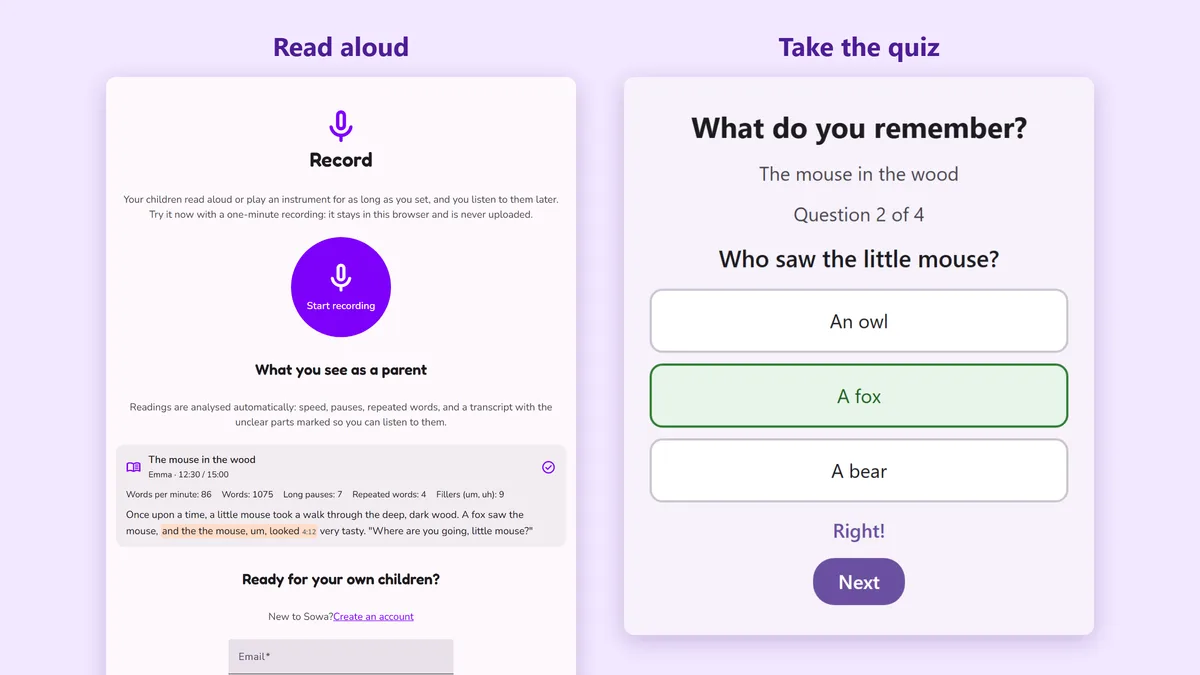
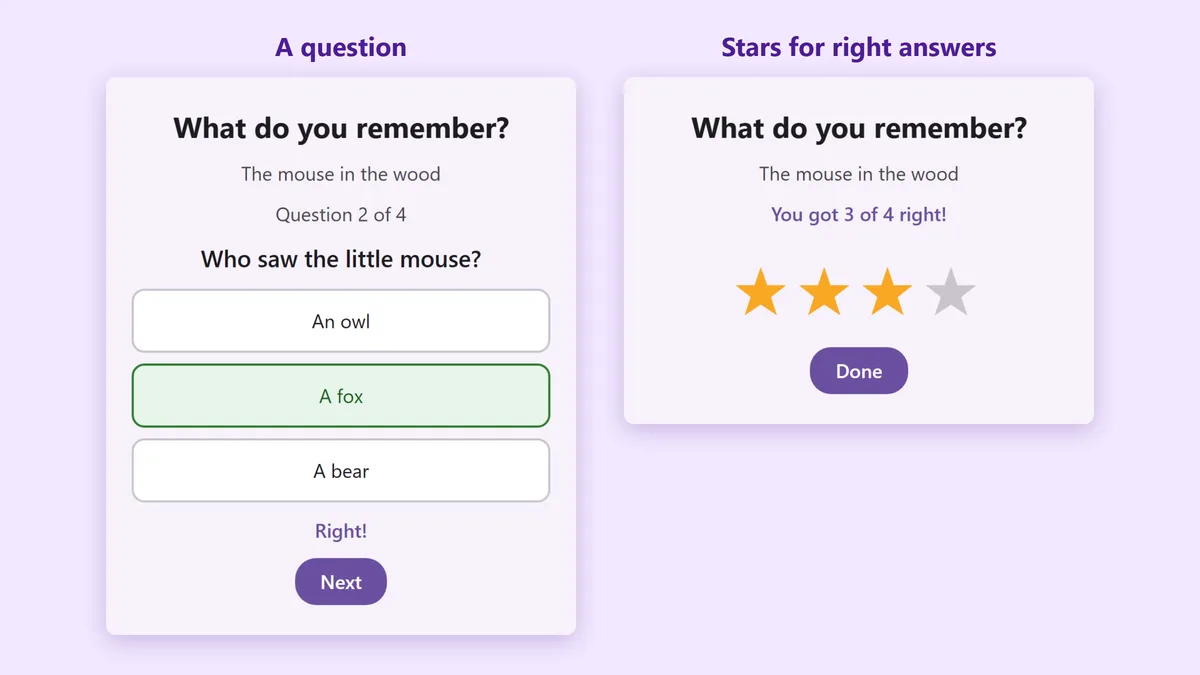
- It's a game, not a test. Three answers to choose from, one question at a time, and an instant “Right!”.
- Every answer counts. A right answer earns a star. A wrong one shows the right answer straight away, so nobody gets stuck.
- The reward comes right away. At the end there's a score and a row of stars, a moment to be proud of.
Rewards that keep kids going
Stars on the screen are a great start, and a small reward at home makes them even better. A few ideas that work well:
- A sticker on a reading chart for every quiz, and a little treat after a full week.
- The child picks the next book, or the bedtime story, after a good score.
- A “reading champion” moment at dinner, where they tell the family what the story was about.
Praise the effort more than the score. “You read for ten whole minutes and remembered the fox!” builds a reader. “Only 2 out of 4?” builds a child who avoids books.
Reading well isn't the same as understanding
Some children read aloud smoothly and still can't say what happened in the story. Others stumble over words but understand everything. Listening alone doesn't tell you which is which. A few simple questions do:
- Who is in the story?
- What happened?
- Why did it happen?
- How did it end?
If your child answers these, they understood the text. If one keeps going wrong, you know exactly where to help: go back to that page together and find the answer. That's reading comprehension practice, and it hardly feels like work.
How to do it with Sowa
You don't have to write the questions yourself. On the Record page, your child reads any book aloud, from the library, from school or from the shelf at home. When they save the recording, Sowa writes a short quiz about what they just read: 3 to 5 questions with three answers each, a star for every right one and the score at the end.
You see the result too: which questions were right, which were wrong and what your child answered, next to the recording and a simple analysis of how fluently they read. Step by step, it's all in our guide Reading aloud with Sowa: record, listen back and take a quiz.
More ways to make reading fun
- Let them choose. A comic or a book about dinosaurs read with joy beats a “good” book read with a sigh.
- Take turns. You read a page, they read a page.
- Do the voices. A growly bear and a squeaky mouse make any story better.
- Find an audience. Reading to a teddy, a pet or a younger sibling makes a child the expert.
- Keep it short. Ten minutes a day, stopped while it's still fun, works better than a long session that ends in tears.
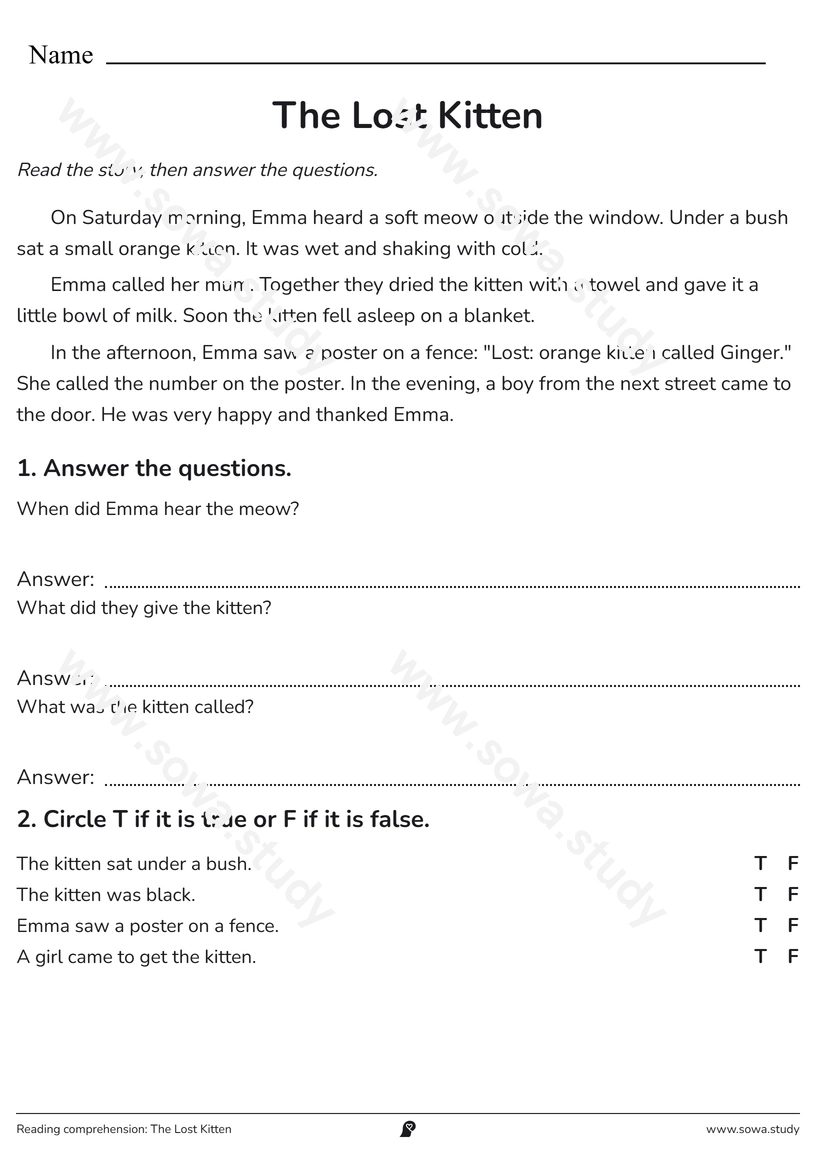
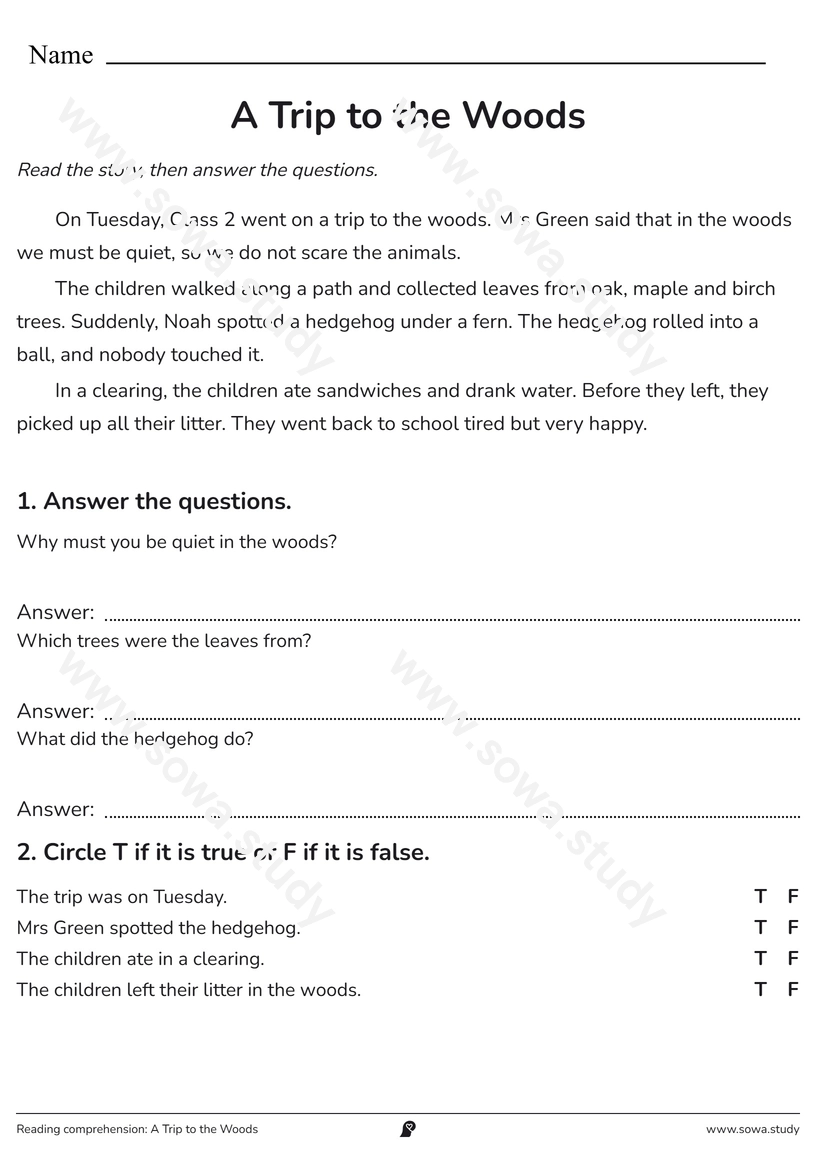
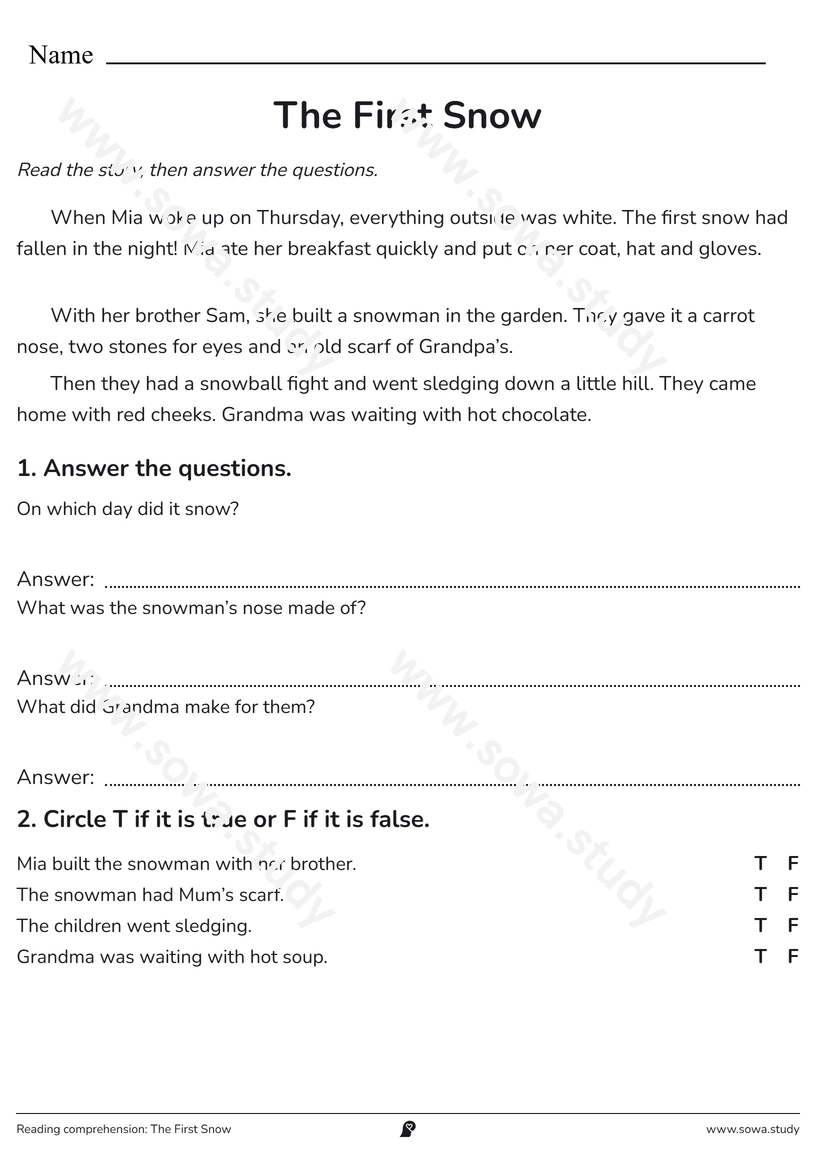
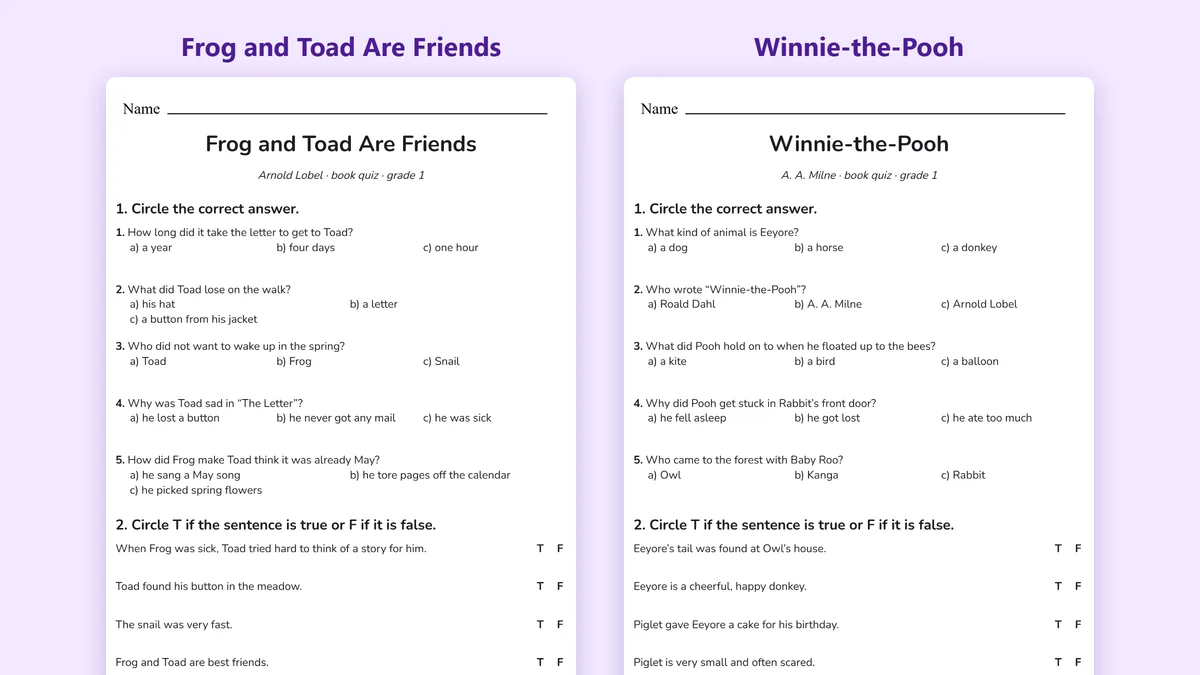
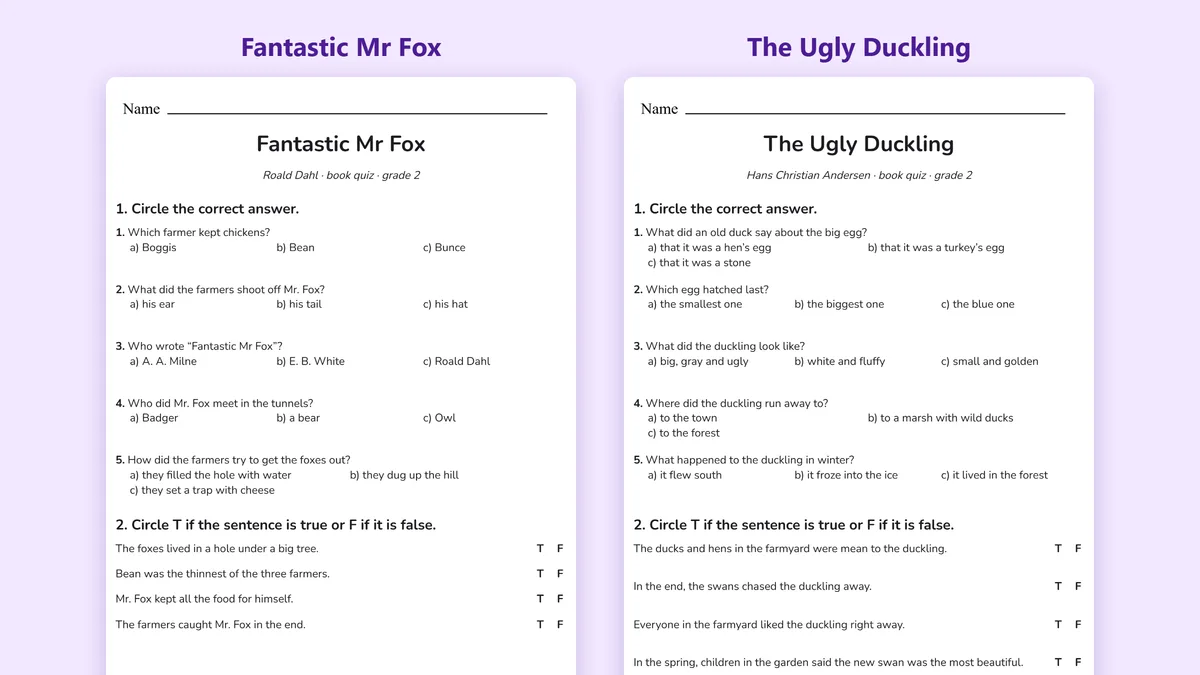
- Add paper practice. The printable reading comprehension worksheets below have a short story and questions, just right for a quiet moment.
So, can reading be fun? Yes. A good story, a little challenge and a well-earned star are often all it takes.